Why is it useful to have low somatic cell counts – below 200,000 cells/ml
The average level of somatic cells in a dairy is closely related to the percentage of cows infected with subclinical mastitis, a type of infection where the milk, the udder and the animal appear to be clinically normal.
So why is this a problem?
Because the high level of somatic cells is almost always associated with the presence of microbial etiological agents – which are bacteria in 99% of the cases, but there are also many different microorganisms involved, such as Prototheca, (algae) Mycoplasams, fungi and viruses.
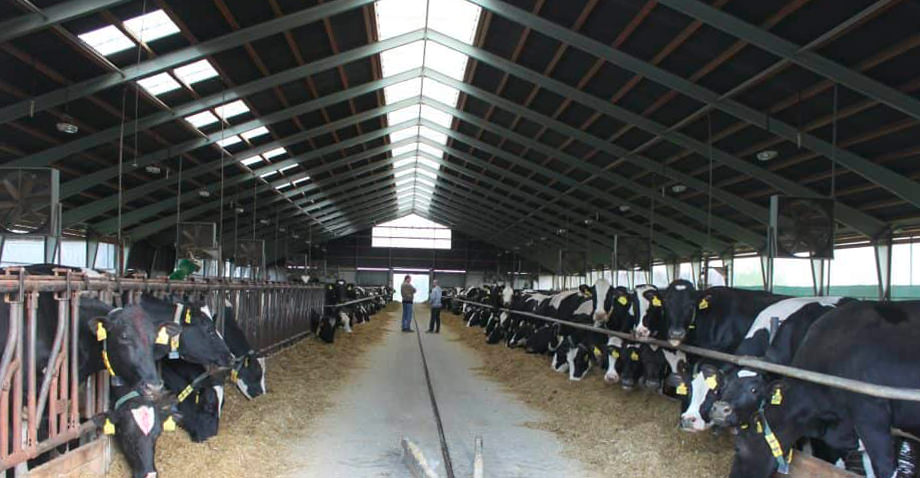
Aiming for low levels of somatic cells, under 200,000 cel/ml, offers a range of benefits for the farmer, for the dairy industry and for the consumer too.
- 1. For the farmer, a low average means:
- Less stress and greater professional satisfaction. Several surveys in many countries have shown that this is precisely the most relevant and important aspect for dairy farmers worldwide.
- Svariate inchieste in molti paesi hanno evidenziato come sia proprio questo l’aspetto che per tanti allevatori risultata quello più rilevante.
- Increased profits thanks to:
- Increased production: from a starting reference point of 200,000 BTCC (Bulk tank cell counts), we know that milk production decreases by around 2.5% at herd-level for each increase of 100,00 cells.
- Fewer cases of clinical mastitis: cows with a level of cells above 200,000 are 2-4 times more likely to suffer from clinical mastitis compared to those with an average lower than 200,000.
- The estimated cost of each clinical case is between 165-235 euros, including the loss of production, discarded milk, rise in the % of forced culling rate, therapeutic costs, extra work, hypofertility etc.
- For the milk and cheese industry, low SCC average means:
- Greater cheese yield
- For each 1,000L of milk with a 400,000 cell count, there is an estimated loss of a total of 2.4kg of Parmigiano Reggiano cheese. (source: CLAL)
- For the consumer
- Milk with high cell counts contains high levels of bacteria, or their toxins, many of which are heat-resistant and are also capable of resisting pasteurization, resulting in further potential danger to human health. Furthermore, we should not underestimate the risk of residues from antibiotics and their implication in the growing phenomenon of antibiotic resistance, together with the development of the so-called «superbugs», the super bacteria now resistant to most, if not all, available antibiotics.
Source: Ghent University, Canada.
Taken from and adapted by Dr. Richard Echeverri Erk, Technical and Scientific Director at Klareco, Italy.